
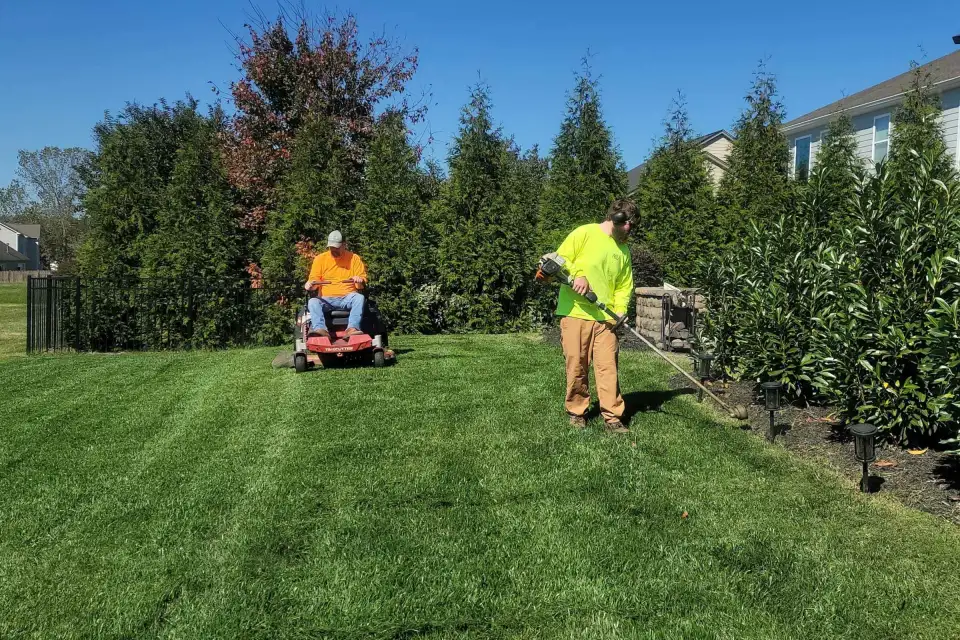
Workers' Comp Insurance for Contractors and Subs in Texas
The Texas Department of Insurance puts it plainly: "Texas doesn't require most private employers to have workers' compensation." That is the law. The catch is the work itself. Government jobs require it, and many general contractors write it into their subcontracts, so a contractor without a policy can lose the bid before the job starts.
We write contractor workers comp insurance for Texas trades, from a one-truck crew to a company with a few dozen on payroll. Tell us your trade, your payroll and who is asking for the certificate, and we will quote it with your liability and truck coverage so everything renews together. Call 281‑766‑0619, or send the short form.
When you still need workers' comp in Texas
Texas is the only state that lets most private employers opt out, which people call being a nonsubscriber. Opting out is legal.
It just closes some doors. These are the situations where contractors most often end up needing a policy anyway.
- Government and public work
- TDI states that "private employers who contract with government entities must provide workers' compensation coverage for the employees working on the project." City, county, school district and state jobs all fall under that rule, and the rule reaches down to the subcontractors on the project.
- General contractors and property managers
- Many general contractors write it into their subcontracts. Commercial GCs, builders and property management companies often ask for a workers' comp certificate before they let a crew on site, even for a two-person team. No certificate, no work.
- Your own protection
- One serious fall off a roof or a ladder can cost more than years of premium. With a policy, the injured worker's medical bills and lost wages go through the insurance company, not through your bank account or a lawsuit.
What a workers' comp policy pays for
A Texas workers' comp policy has two parts. The first pays benefits to an injured employee no matter who was at fault.
The second, employer's liability, defends the business if someone sues over a work injury anyway.
- Medical care
- Doctor visits, hospital bills, surgery, medicine and physical therapy for a work injury or illness.
- Lost wages
- Income benefits while the worker can't do the job, and more if the injury is permanent.
- Death benefits
- Payments to the family and help with funeral costs if a worker dies from a job injury.
- Employer's liability
- Legal defense and payment if a worker or a family member sues the business over the injury. This part matters most on construction jobs, where claims can involve several companies on the same site.
Sole proprietors, 1099 subs and ghost policies
If you work alone with no employees, Texas law does not require you to cover yourself. The problem is the general contractor. Their own insurance company audits them at the end of the year, and any sub who can't show a workers' comp certificate may get counted as the GC's employee. That raises the GC's premium, so they ask every sub for proof.
For a solo contractor, the usual answer is a minimum-premium policy that covers employees but excludes the owner. People in the trades call it a ghost policy.
It lets you hand the GC a valid certificate without paying to insure yourself. If you hire someone later, the policy is already in place and the premium is adjusted to the new payroll at audit.
Paying helpers on a 1099 does not always make them independent contractors in the eyes of an insurance auditor. If they work your jobs, with your tools, on your schedule, the auditor may count their pay as payroll. We go over this before we quote so there are no surprises at audit time.
What workers' comp costs for Texas contractors
Workers' comp is priced on payroll. Each trade has a class code, and each class code has a rate per $100 of payroll. A roofer's rate runs far higher than an electrician's, and an electrician's runs higher than office staff. The carrier multiplies your estimated payroll by that rate, then adjusts it for your claims history.
For a benchmark, Insureon reports that Texas general contractors who bought through it paid an average of $306 a month for workers' compensation. Your number could be well above or below that, depending on the factors below.
- Payroll
- The bigger the payroll, the bigger the premium. Estimates are checked at the end of the year in an audit, and the premium is adjusted up or down.
- Class code
- The trade your crew does on site. Roofing, framing and concrete sit at the top of the scale. Getting the right code for each worker matters, because the wrong code can cost you hundreds.
- Experience mod
- Once a company is big enough, its claims history turns into a number called an experience modification. Fewer claims means a lower mod and a lower price.
- Safety and years in business
- Written safety practices, training and a few clean years all help, especially with carriers that write a lot of construction.
What you give up as a nonsubscriber
Going without workers' comp is legal in Texas, but TDI spells out what it costs you in court. If an employee sues over an injury, a nonsubscriber can't argue that the employee's own negligence caused it. The employer also can't argue that a co-worker's negligence caused it, or that the injured worker knew about the danger and accepted it.
Those are the defenses employers lean on most. Without them, an injury lawsuit can be hard to win, and the verdict is paid by the business.
There is paperwork too. TDI says nonsubscribers have to file an annual notice with the Division of Workers' Compensation, post notices at the office and job sites, and tell new employees in writing that they are not covered.
Some contractors choose to stay nonsubscribers and buy an occupational accident or employer's liability plan instead. That can work for the right company. We will lay out both options side by side, with what each one leaves out, so you can pick with your eyes open.
Why contractors call Somra
We have been writing insurance since 2014, and 465 policyholders trust us with their coverage today. We quote GEICO, Progressive and other carriers, and we put workers' comp on the same page as your general liability insurance for contractors and your work trucks, so the certificate a GC asks for comes from one place.
In most cases, we can bind coverage and issue a certificate of insurance the same day.
We stay reachable after hours and on weekends. Phone call or email. We know you're busy, so reach out to us however it best fits into your life.
Workers' comp questions
More contractor coverage
Get the certificate, get on the job site
Tell us your trade, your payroll and who needs the certificate. We will quote workers' comp next to the rest of your contractors insurance in Texas, including work van and pickup insurance, and walk through the Texas contractor insurance requirements your GC is asking about. Call 281‑766‑0619, or fill out the short form and we will call you back.